
Reiling Glass Recycling relies on 3-Chute Sorting Technology from Sesotec
AI Meets 3S
Glass recycling is one of the most successful recycling processes. Glass can be endlessly remelted without losing quality. Collection rates have been high for many years. Additionally, using recycled glass shards requires significantly less energy and raw materials compared to new production.
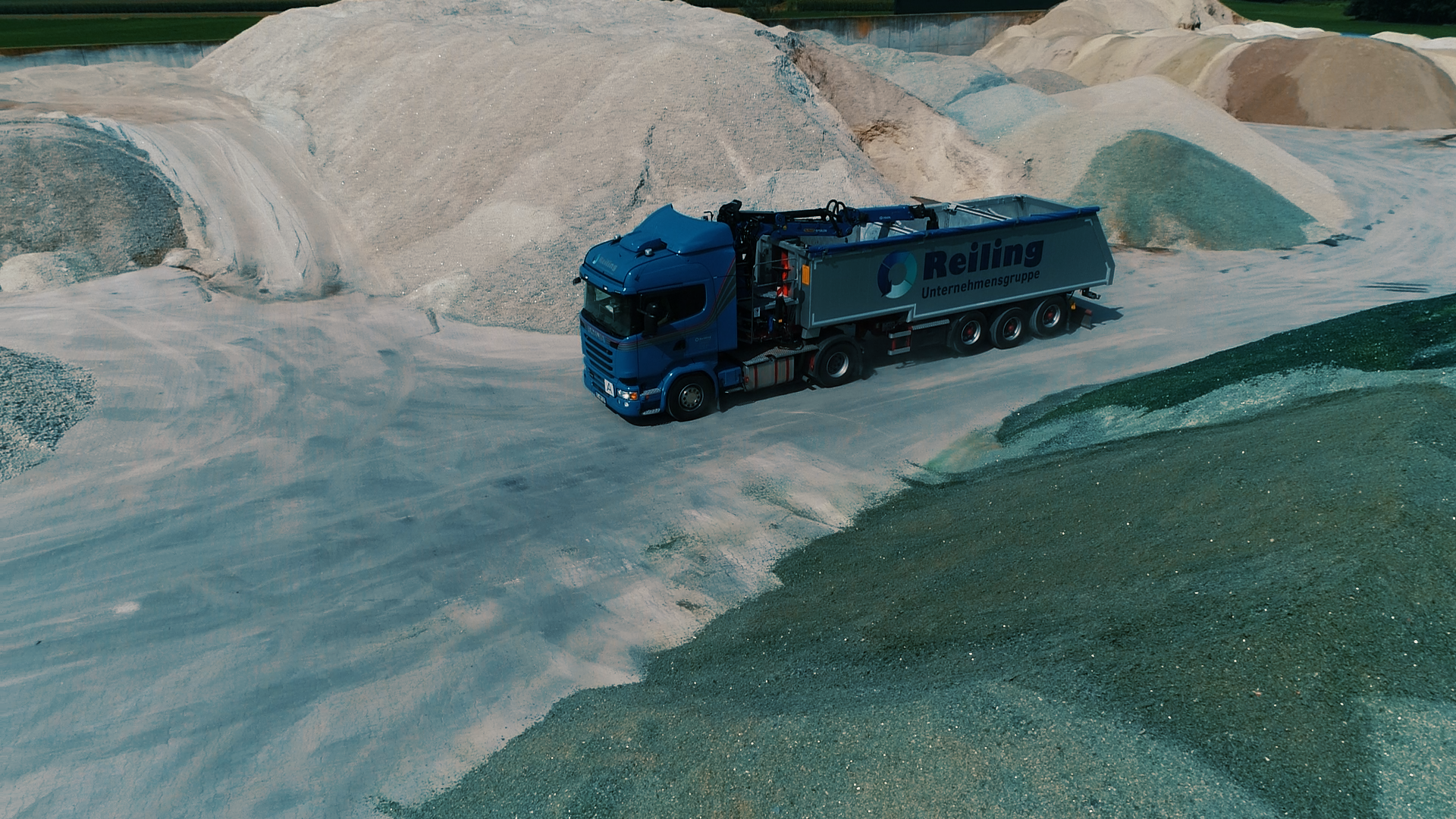
Reiling Glas Recycling GmbH & Co. KG, part of the Reiling Group, plays a crucial role in this process, specializing in glass recycling. This family-run group, rich in tradition, has been a reliable partner and expert in the recycling industry for over 100 years. With 12 glass recycling facilities across Europe, Reiling Glas Recycling processes over a million tons of glass annually, making it one of Europe's leading recycling companies.
The Challenge
Only when contaminants and impurities are completely removed from waste glass can the recycled glass be reused as a secondary raw material, closing the glass recycling loop.
Glass recycling companies like Reiling continuously invest in cutting-edge technologies to efficiently eliminate impurities from the glass stream, maximizing the yield of pure material for new glass products. The aim is to streamline sorting processes into as few steps as possible, saving time, energy, costs, and space, thereby enhancing the efficiency of glass recycling.
When precision is paramount for challenging sorting tasks, systems that focus on a single sorting task are often employed. The good material is directed into the first chute, while all foreign materials are diverted into the second chute.
Reiling is recognized as a pioneer in using 3-chute sorting systems. However, with Sesotec's new 3S Glass Sorting System, past compromises associated with 3-chute solutions are nearly eliminated. Reiling aims to separate white glass from mixed glass with the highest precision while safely removing ceramics, stones, and porcelain (KSP) with minimal glass loss. The limited space in the existing plant layout required a well-thought-out solution in the form of a single, highly efficient device.
The Solution
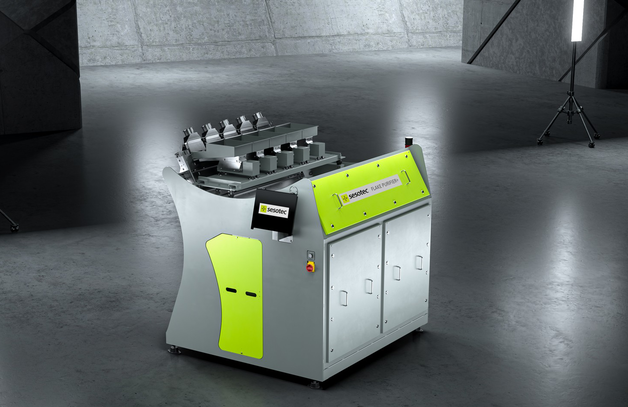
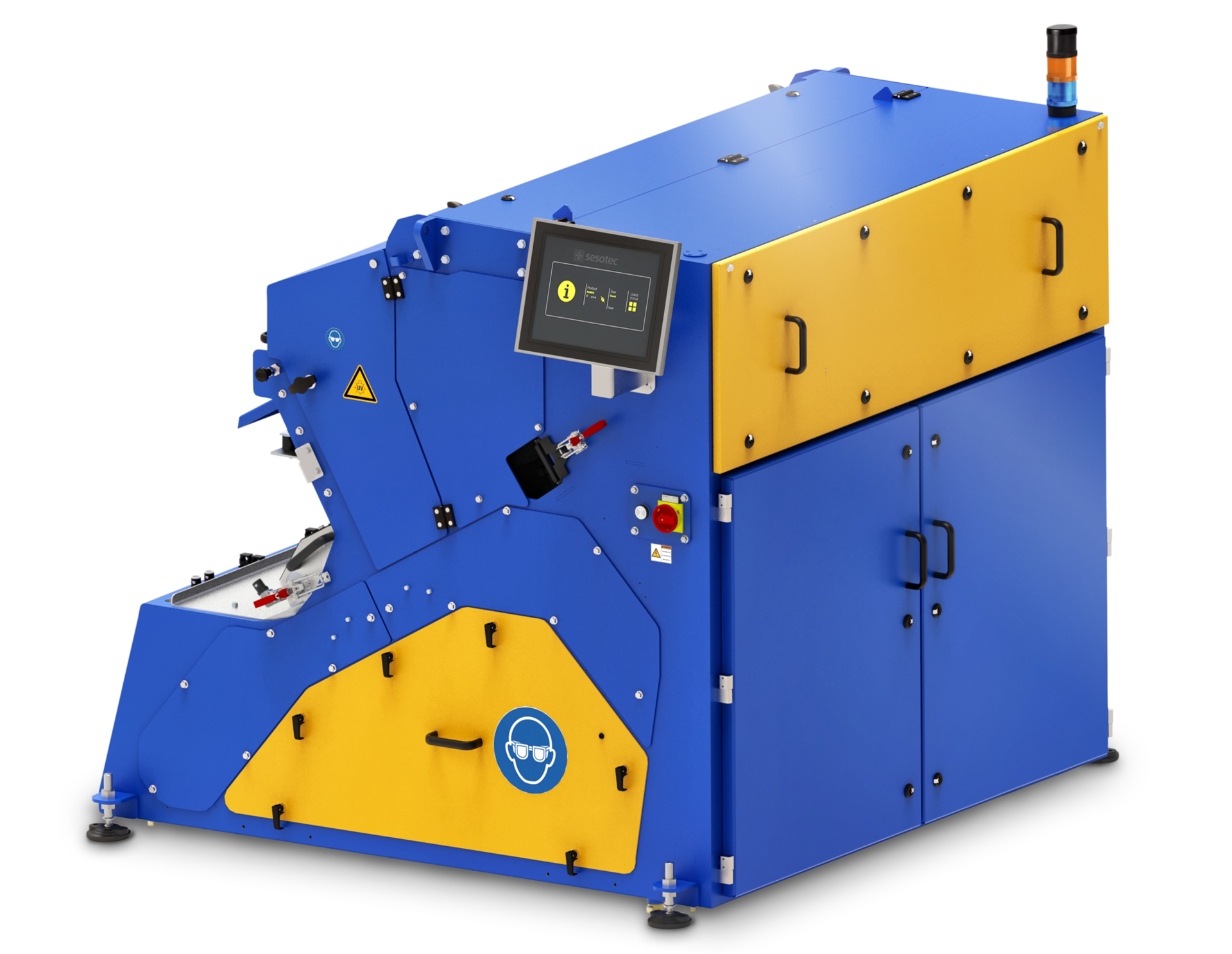
Sesotec, in collaboration with KRS Recycling Systems GmbH, has advanced the renowned SPEKTRUM+ glass sorting system to the innovative SPEKTRUM+ 3S: "3S" signifies three (material) streams that can be sorted within a single device. The goal is to seamlessly transition the performance of a two-way sorter to a three-way system, ensuring customers experience no discernible difference in sorting quality.
For over 30 years, KRS Recycling Systems has been a leading name in plant engineering and sorting technology within the glass recycling industry. The company manages the entire process—from consultation and planning to equipment delivery, installation, commissioning, and service offerings in glass recycling.
The SPEKTRUM+ 3S sorting system is utilized at Reiling for pre-processed materials. Its three chutes can be flexibly assigned based on sorting requirements. Currently, KSP and metals are removed in one chute, colored glass passes through the middle chute, and white glass is separated in the third chute.
Benedikt Heitmann, Managing Director of Reiling Glass Recycling: "The SPEKTRUM+ 3S perfectly meets our needs: KSP and metals are reliably removed, and high-quality white glass is precisely recovered from mixed glass—all in one device and in a single step."
The advantages of the new SPEKTRUM+ 3S sorting system are clear:
Sesotec is the glass recycling provider that now represents all sorting tasks in a single, AI-supported device at an entirely new level. This makes sorting processes simpler, more efficient, and uncompromising.
The new valve strip arrangement offers enhanced performance and greater effectiveness, especially with complex contaminants like stones and handles. AI algorithms determine the necessary safety for ejection and help minimize glass loss, such as with labeled glass.
Additionally, the sorting system is available in various working widths (1m and 1.5m) and with different valve grids. The sensors for detecting foreign materials, colors, and metals are freely selectable, adaptable to customer needs, and can be retrofitted later.
Notably, the SPEKTRUM+ 3S device can optionally be equipped with a C-C sensor (additional special lighting + sensor technology). This enables the detection of dark, opaque glass pieces, ensuring these valuable components largely remain in the good material stream. Conventional devices, lacking this technology, cannot identify these shards as good material and typically eject them with the KSP material. The use of the C-C sensor significantly increases the yield of good material.
Customer Value
A single device handles both KSP separation and the sorting of clear and mixed glass. Reiling Glas Recycling benefits significantly from its seamless integration into existing systems and the reduced steel construction required due to fewer installations. Even with limited space, maintenance and cleaning access remain fully accessible. The SPEKTRUM+ 3S impresses with customizable and combinable sensors, allowing flexible adaptation to specific sorting tasks.
Image source: Reiling Glas Recycling GmbH & Co. KG