
PAC2PAC by Bachmann Group – The Perfect Cycle for PET Packaging
Vast amounts of plastic packaging still end up in incinerators—valuable resources lost forever. A closed-loop recycling system could transform used packaging into new products.
PET packaging offers the perfect solution:
- Lightweight, easily moldable, and highly recyclable.
- Cost-effective processing.
- Approved for food contact and extends product shelf life.
In short: PET is too valuable to simply discard.
The Swiss Bachmann Group, a seasoned packaging manufacturer, has embarked on an ambitious mission with the PAC2PAC project: to create an optimal recycling loop for PET packaging.
Partners in the PAC2PAC flagship project include Sesotec, Starlinger Viscotec, Krones, and PET-MAN. Each company has contributed its expertise and cutting-edge technology to a feasibility study aimed at delivering a forward-thinking, sustainable solution for mixed plastic collection in Switzerland.
The Challenge: Differentiating Food-Grade PET
Consider the Swiss plastic collection bag, where consumers gather and dispose of plastic packaging. This bag contains both food-grade PET packaging and many non-food-grade items. Traditional sorting methods, such as NIR technology, color detection, or shape recognition, reach their limits here.
The challenge: Accurately distinguishing between food-grade and non-food-grade PET is not reliably achievable with conventional sorting techniques. A new, intelligent sorting solution is needed.
The Solution: Innovative AI Sorting Solutions
The integration of AI in sensor-based sorting is revolutionizing the recycling industry, especially in distinguishing between food-grade and non-food-grade PET waste. The PAC2PAC project showcases the ideal recycling loop for PET packaging.
In this project, Sesotec played a pivotal role in sensor-based sorting of food and non-food PET materials. Sesotec merges proven sensor-based sorting with the power of AI.
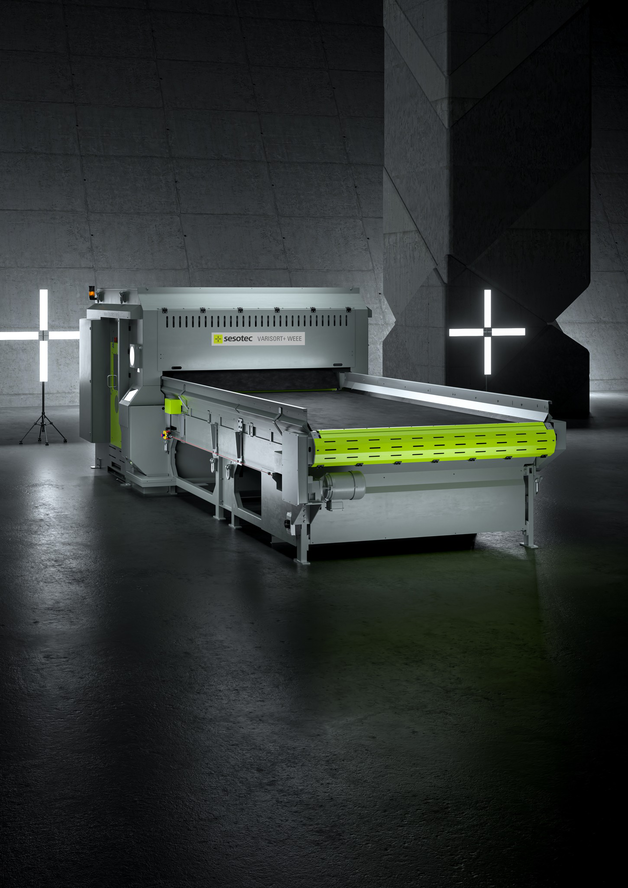
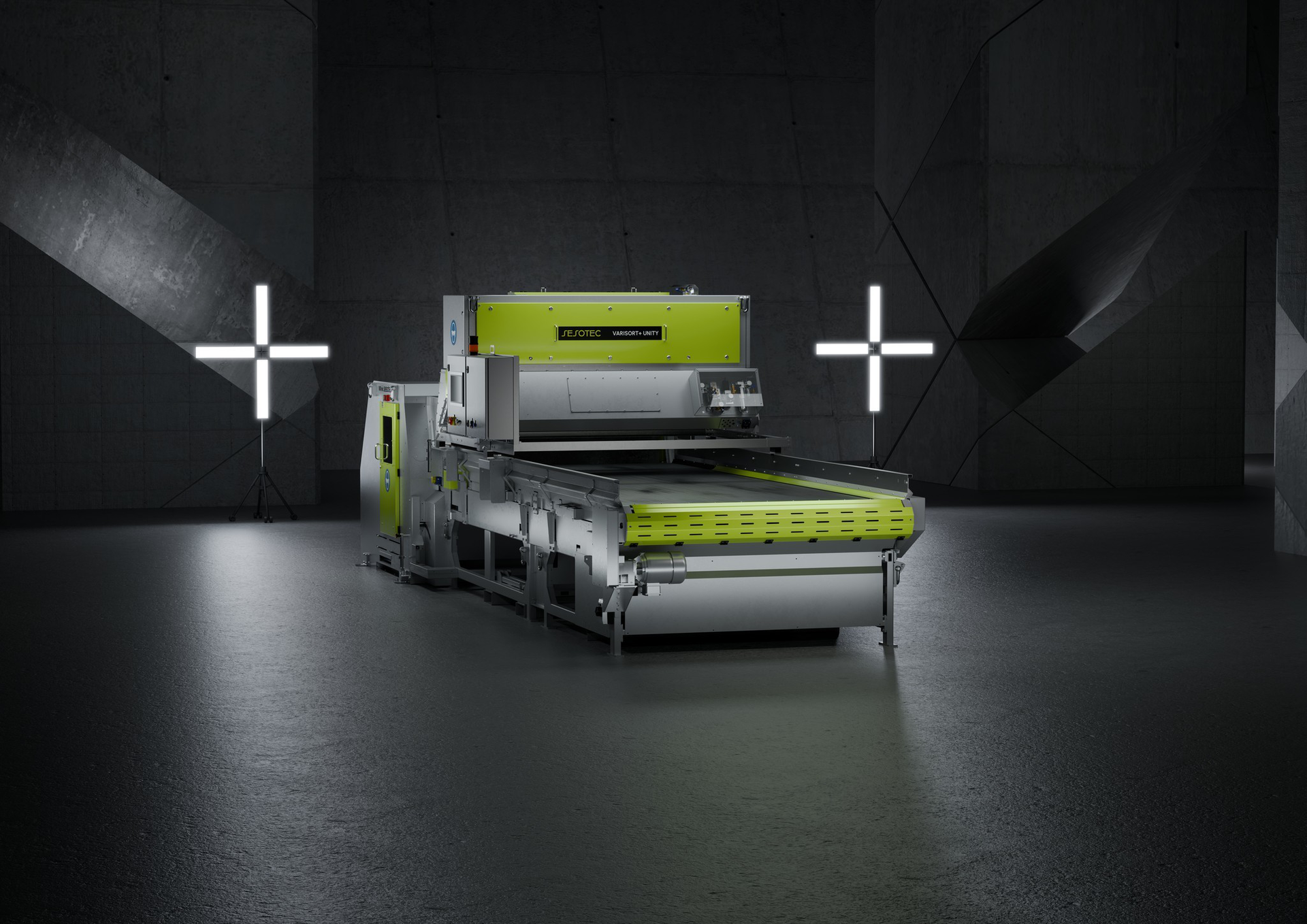
After the material is separated through bale breaking, the plastic packaging enters the latest Sesotec sorting system, VARISORT+ UNITY. With the innovative OBJECT-AI technology, it becomes possible to reliably separate food-grade PET from other packaging.
OBJECT-AI is an AI-based evaluation method used for object recognition. It complements traditional sensor-based sorting, which enables material classification via NIR (near-infrared), color differentiation, or shape recognition. The existing shape and print of the bottle are also used as criteria to distinguish between food-grade and non-food-grade PET.
The VARISORT+ UNITY devices sort materials into two categories: the first contains 'food-grade clear PET,' and the second 'food-grade colored PET.'
Simultaneously, analyses ensured compliance with food and non-food content limits throughout the project.
The new VARISORT+ devices (FLEX and UNITY) come equipped with advanced sensors and a high-performance evaluation unit, ready for AI analysis deployment.
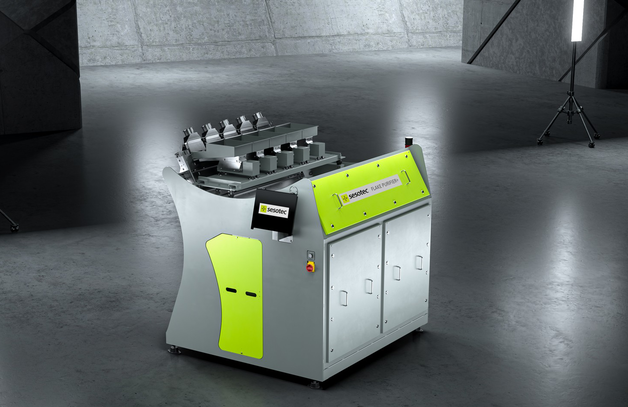
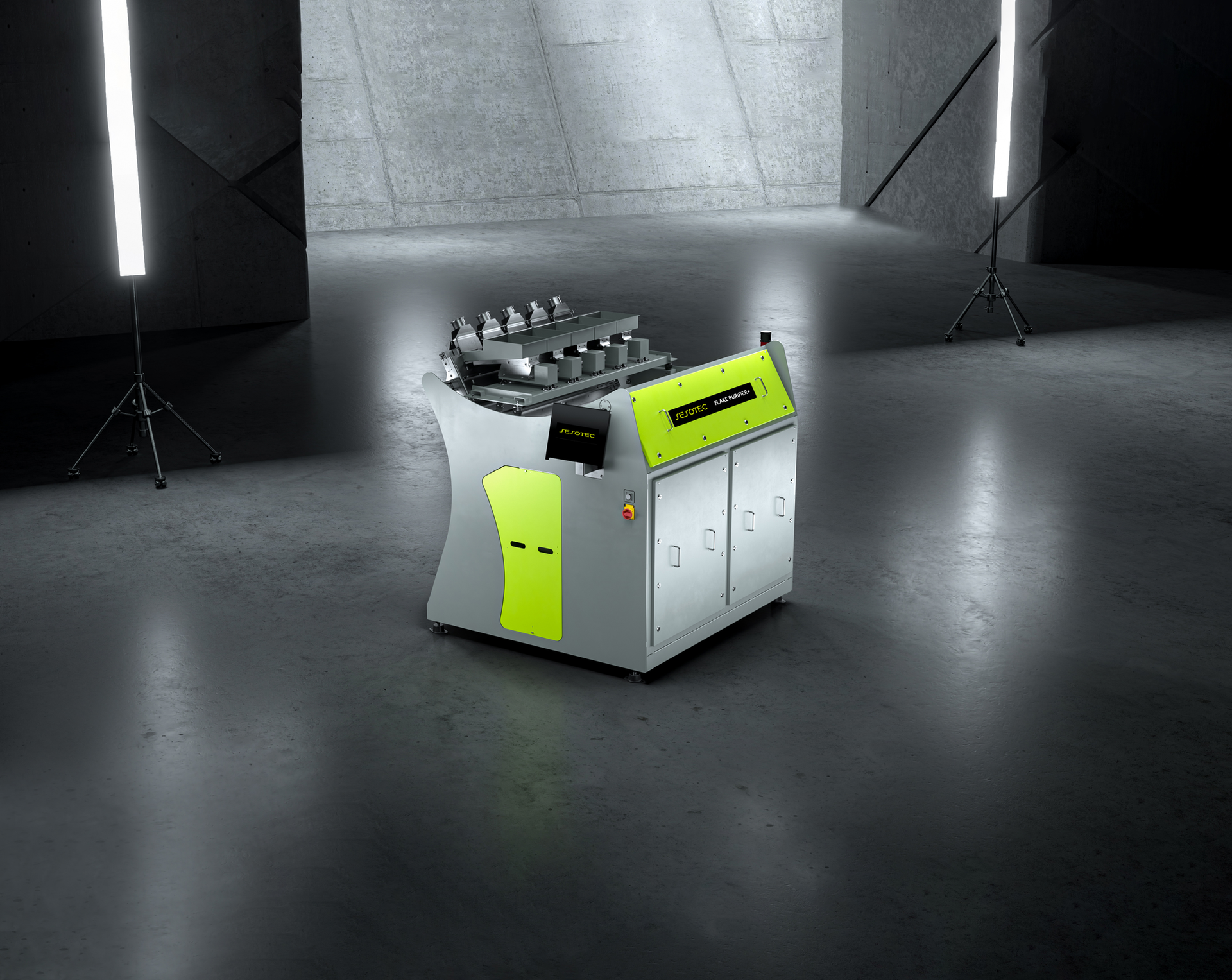
The sorted packaging was then shredded into flakes, screened, and washed. The Sesotec sorting system, FLAKE PURIFIER+, ensured precise sorting of the plastic flake fractions. Each fraction underwent additional purification, reliably removing any remaining off-colors, metals, and incorrect plastics with the FLAKE PURIFIER+.
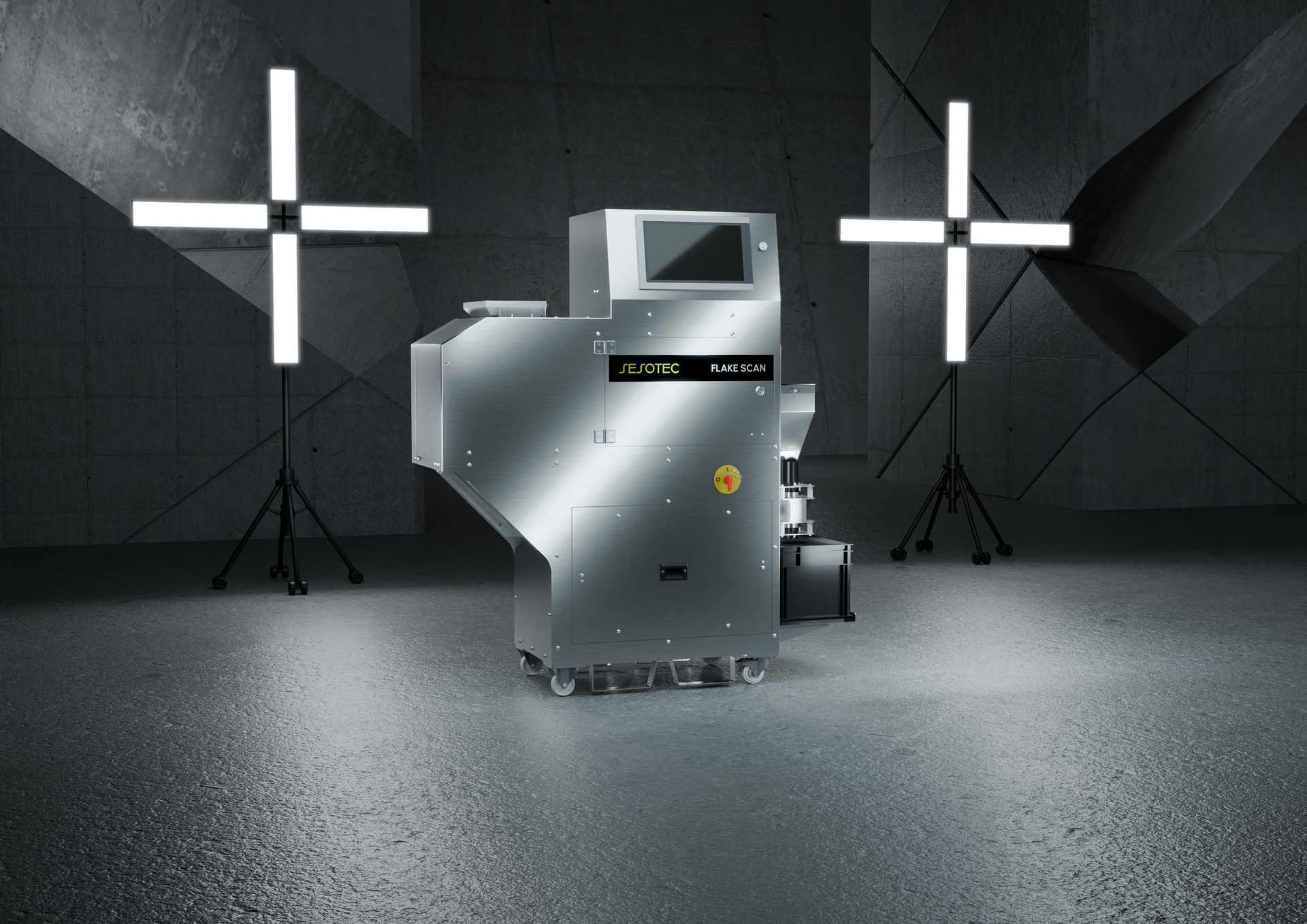
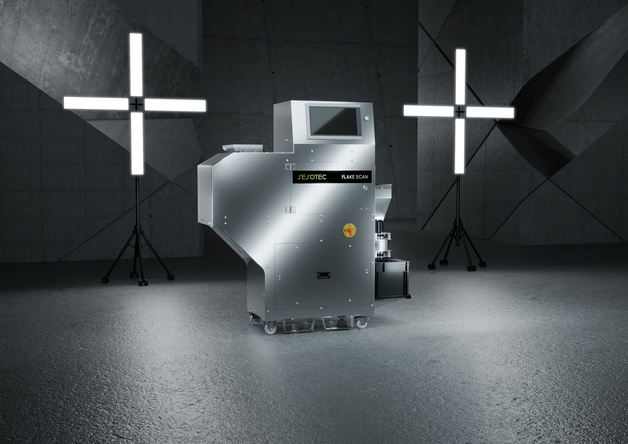
To ensure the quality of recycled material, the Sesotec material analysis system FLAKE SCAN was utilized. The FLAKE SCAN analysis system enables rapid and reliable sample analysis of material composition by plastic types, colors, and metal foreign bodies. Used for monitoring both input and output materials, it also ensures process safety. Additionally, the quick evaluation of material composition provides a solid basis for decisions regarding material usability.
The FLAKE SCAN analysis system excels in saving time and delivers precise and, most importantly, actionable results compared to the usual manual, visual, or thermal evaluations.
After successful sorting and reliable quality control, the pure flakes are extruded into mono-recycling films. These films are then thermoformed back into equivalent packaging. The PET cycle is complete: PAC2PAC.
The customer benefit: Higher recycling rate with consistent quality
This forward-thinking recycling solution allows high-quality food-grade PET to be reintroduced into the cycle at a competitive price without compromising quality. Additionally, non-food-grade, transparent PET and colored PET are reclaimed to further boost output from the yellow bag. The recycling loop is complete. Used packaging becomes new packaging. The project demonstrates a tripling of the recycling rate for the Swiss collection bag.
Download this case study as a document.